Saturday, May 11, 2013

Ebatraditsiooniliste peremudelite kaitseks


Prantsusmaa seadustas omasooliste abielud koos adopteerimisõigusega. Küll seadustatakse peatselt ka Eestis, vaatamata häälekale vastuseisule. Seda lihtsalt põhjusel, et tõsiseltvõetavaid vastuväiteid tegelikult ei ole ning küsimus keskendub traditsioonidele.

Mida aga arvaksite väitest, et naistelt tuleks võtta valimisõigus, kuna see ei ole Euroopa kristlikus kultuuris traditsiooniks? Mis ju ka nii on. Seega traditsioonid ennekõike kirjeldavad hetkeseisu, mitte ei saa olla õigustuseks. Kui muutub ühiskond, peavad korrektuure tegema ka senised kombed, nii et aplaus Prantsusmaale julguse eest ebaõiglased traditsioonid kõrvale heita ja jõudu Eesti seadusandjatele sama teha. Aga mis edasi?

Traditsioonide allakäik

Minu arvamus on, et paljudel pessimistlikel kommentaatoritel on õigus ning samasooliste abielude seadustamine on ainult üks samm teel. Mõne jaoks on see samm õhtumaade allakäigutrepil, paljude jaoks aga peegeldab tõsiasja, et needsamad traditsioonilised ja nii väga kaitsmist vajavad pereväärtused ja -mudelid lihtsalt ei vasta enam 21. sajandi sotsiaalmajanduslikele vajadustele. Kui te mind ei usu, siis palun vaadake ise statistikaameti kodulehele: 2011. aastal lahutati 5499 sõlmitu kohta 3099 abielu. Euroopas on juba aastakümneid jälgitav trend, kus abielude arv kahaneb ja lahutuste arv kasvab. Mina oskan siit teha ainult ühe järelduse: abielu kui institutsioon ei ole paljude jaoks enam sobiv lahendus oma elu korraldamisel. Miks?

Esiteks ei ole abielu armastuse kants, vaid eluolu, s.h majandusliku seisundi kindlustamise vahend. Abieludega liideti kuningriike ja päranditülidega alustati sõdu. Tänapäeval asjad enam riikide tasandil nii ei käi ja ka üksikisiku pension kasvab ennekõike sambas, mitte ei pärandata põlist talukohta isalt pojale. Seega on oluliselt vähenenud vajadus abielu kui majandusliku kindluse mehhanismi järele ning vähenenud nende hulk, kes püsisid abielus ainult põhjusel, et neil ei oleks olnud võimalust muul moel ära elada. Traditsiooniliselt, mõistagi, olid selleks sunnismaiseks pooleks naised.

Teiseks oluliseks teguriks – ja see ei ole mitte vähetähtis – on naiste üldse kasvav vabadus valida. Traditsiooniliselt on mees võtnud naise ja naise kasvatada-vastutada on olnud ka lapsed (kahjuks toetab seda traditsiooni hooldusküsimustes siiani Eesti kohtupraktika).

Elementaarne bioloogia ütleb meile aga, et inimliik on sellise käitumisega suur erand – vist ainus imetaja, kus rollid on vahetunud ja jäme ots mehe käes. Reeglina valib kaaslase ikkagi selle soo esindaja, kes investeerib järeltulijatesse rohkem ressursse. Imetajate puhul on selleks ilmselgelt naine, kes peab sedasama järeltulijat pikki kuid oma kõhus kandma. Kuidas üldse on inimene arenenud kõigist teistest liikidest risti vastupidises suunas, on tõtt-öelda suur müstika. Naljaga pooleks võiks arvata, et kultuuri mõtlesid välja mehed, selleks et kindlustada oma sõnaõigus antud küsimuses.

On kuidas on, aga igatahes nii nagu maailmasõjad tõid naised tehastesse ja andsid neile majandusliku iseseisvuse, on digitaalne kommunikatsioon andnud neile võimaluse sotsiaalset survet tundmata järgida oma instinkte, s.o valida. Kes ei usu, siis registreerige end mõne online-kohtamisportaali kasutajaks, laadige üles enam-vähem vastuvõetav pilt ja jääge sõnumeid ootama. Kui te juhtute olema mees, siis jõudu ootamisel. Suurem osa tuttavaid naisi on aga pärast paari nädalat eksperimendist loobunud, kuna liigne tähelepanu muutub koormavaks.

Traditsiooniline abielu enam ei tööta ja naised saavad ise partnereid valida. Kuhu see kõik võib viia? See on natuke fantaseerimise küsimus ja seega võib julgelt pöörduda statistikaameti lehelt ulmekirjandusse. Huvitavad stsenaariumid on pakkunud välja R. A Heinlein* raamatus "Kuu on karm armuke" (Eesti Raamat, 2009. Originaal: "The Moon is a Harsh Mistress", 1966). Lühidalt kokkuvõetuna on rajatud Kuule vanglakoloonia, mis oma isoleerituse tõttu ei vaja erilist järelevaatamist ja toimib pigem äralõigatud uusasundusena. Oluline on pidada meeles, et reaalsuses ja ka ulmereaalsuses on ikka vangide hulgas naisi vähem kui mehi (ning kogu austuse juures, mis mul on võrdõiguslikkuse eest seisjatesse, jääb kehtima küsimus, et miks siinkohas heas seltskonnas sookvootidest ei räägita).

Mitmikabielud tulekul

Mis siis juhtub sellises huvitavas ühiskonnas, mis just oma isoleerituse tõttu saab eirata kõiki maapealseid norme? Nimelt see, et naiste vabadus valida viib kiiresti täiesti uute kooseluvormideni. Jaa, eksisteerib tavaline mees-naine abielu, kuna mõnele see sobib. Samas arenevad välja mitmikabielud, ennekõike mitme mehe ja ühe naise vahel. Kõige huvitavamana pakub Heinlein välja nn järgabielu (line marriage), kus abielus olijate hulk ja vanus ei ole määratud ning sedamööda, kuidas vanemad ühest otsast hinge heidavad, liitub teisest otsast sellesama abieluga uusi nooremaid liikmeid. Iga sellise abieluüksuse liige on abielus iga teise pereliikmega, mis muudab kooslused eriti püsivaks, kuigi nõuded uutele kandidaatidele on samuti kõrged — on ju vaja läbi saada rohkem kui ühe abikaasaga!

Ja kui hüpata ulmekirjanduse juurest hoopis psühholoogiasse, siis ka siin on huvitavaid avastusi, mis kinnitavad inimkonna praktilist kogemust, et maksiim "üks elu, üks armastus" võis kehtida Tuhkatriinu puhul, aga ei kehti suuremale osale inimkonnast. Armastusega on nimelt ajus seotud palju erinevaid piirkondi, ning nad tegutsevad küll üksteisest neurokeemiliselt teatud määral sõltuvalt, kuid neil kõigil on täita oma ülesanne (kaaslase valik, romantiline tõmme, usaldus ja pühendumus) ja nad talitavad selles osas siiski iseseisvalt. Nii et agoonia, mille saatel me valime mitmest kandidaadist ühe ja ainukese paarilise, ei ole mitte loomulik, vaid vähemalt osaliselt dikteerib just kultuur ja traditsioon ebaloomuliku püüdluse tuhkatriinuarmastuse poole. Ilmselge on aga, et elu ei mahu alati muinasjutu raamidesse.

Jaa-jaa. Mõistagi on alati argumendiks, et tõeline armastus saab olla ainult mehe ja naise vahelises abielus. Millele vastaks lihtsalt: aga kust sa tead?

Minu arvamus on, et järgmine teema abielu või kooselu seadustamisel on just nimelt mitmikabielud. Sest taas kord – ühtegi tõsiseltvõetavat argumenti nende vastu ei ole ma kuulnud ning positiivseid näiteid seadustamata praktikast leiab laiast maailmast vähese vaevaga, kui õigest kohast otsida.

Selles mõttes on digitaalne keskkond lõputult tänuväärne ja anonüümsus internetis absoluutselt vajalik, et pääseda välja külaühiskonna kitsastest normidest, kus iga teisitimõtleja tembeldatakse nõiaks ja tasalülitatakse põhjendamata moraalsetest kaalutlustest lähtuvalt.

21. sajand tõotab tulla huvitav.

---
* Lugejale on autor võib-olla tuttavam filmidest "Tähesõdalased". Palun unustage need nurisünnitistest filmid, mis ei tee kuidagi au nende aluseks olnud tõeliselt mõtlemapanevale samanimelisele raamatule, mis on näiteks siiani USA merejalaväelaste kohustusliku kirjanduse nimekirjas.

Sunday, May 5, 2013

Over the rainbow


This article was written in response to ignorant statements made by a local MP, claiming homosexuality to be a curable disease. The article was published in Estonian in Õhtuleht 06.04.2013.

Hieronymus Bosch - The Garden of
Earthly Delights. Source: Wikimedia
in a kingdom far-far away, there… And this is where the stories part. In one, there are dragons, in another there are witches, and in the third one — kind fairies. Fairy-tales reflect beliefs about the world around us, and it is not possible to say that one of them is more precise, more correct or better in any way than another. The value and magic of fairy-tales comes exactly from there being many different ones, and there always being room for new ones, that will not replace any, but add to the magical-mystical world over the rainbow. And even though this claim is not entirely correct from the standpoint of folkloristics, let it illustrate the larger one — there are domains, where multitude of opinions is the valuable resource, and there is no truth as such, but each description, point of view gives new information. Wonderful information, that has given birth to the most beautiful and moving works of art, books, songs — the best achievements of human culture, that life would perhaps not even be worth living without.

Sunday, April 28, 2013

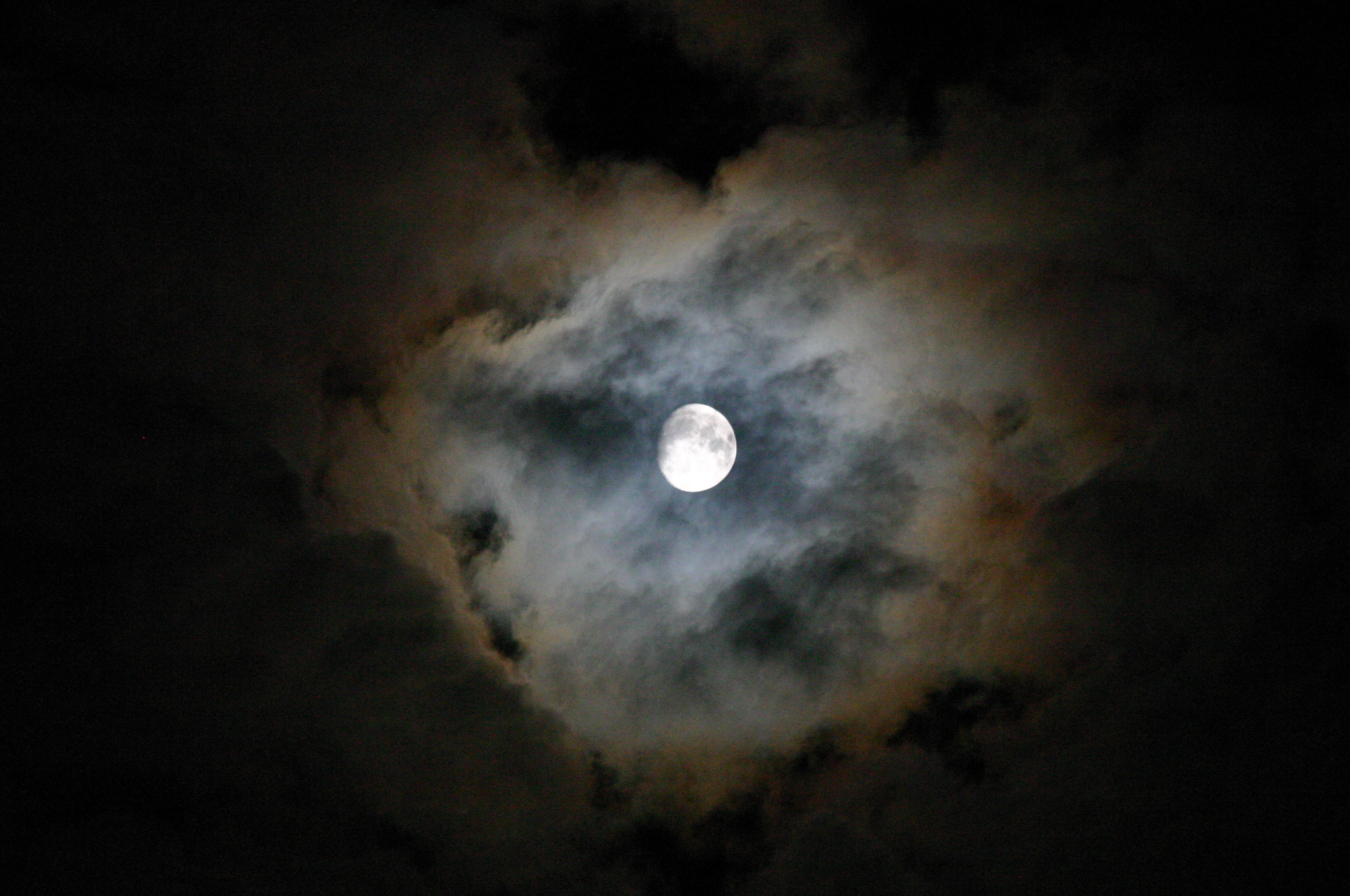
The moon bileful aghast

Lunar corona. Source: Wikimedia

For reasons completely unelated, I found myself having to translate a poem by an Estonian author, Gustav Suits, a prominent modernist from the first half of the 20th century. The original text is somewhat flexible with language, and thus the translation is also … somewhat.

Saturday, April 6, 2013

Teisel pool vikerkaart


Teisel pool vikerkaart ehk seitsme mäe ja mere taga on üks kuningriik, kus… Ja siinkohal lähevad lood lahku.

Ühes on seal lohed ja nõiad, teises kuri võõrasema ja kolmandas head haldjad. Muinasjutud peegeldavad uskumusi ümbritseva maailma kohta ja ei saa öelda, et üks neist on täpsem, korrektsem või mingit pidi parem kui teine. Muinasjuttude väärtus ja võlu seisneb just selles, et neid on palju ja alati võib keegi tulla välja uuega, mis ei asenda eelmisi, vaid täiendab maagilis-müstilist maailma teisel pool vikerkaart. Ja kuigi see ei ole vist rahvaluuleteaduse seisukohast korrektne väide, las ta jääb illustreerima laiemat mõtet – on teatud valdkonnad, kus arvamuste paljusus ongi väärtus ning tõde kui niisugust ei ole, vaid iga uus kirjeldus, vaatenurk annab uut infot. Imelist teavet, mille hulgas kauneimad kunstiteosed, raamatud, laulud – inimkultuuri parimad saavutused, milleta elu poleks vahest elamist väärt.

Fakt või arvamus

Ja on valdkondi, kus kõik eelnev ei ole mitte lihtsalt vastupidi, vaid arvamused on ebaolulised ning mõõdetav ja kontrollitav tõde jääb selleks sõltumata kõigist vaatenurkadest. Tõde on võimalik mõõta näiteks vastava aparatuuriga või laiapõhjaliste uuringutega, mitte aga tuginedes oma eelistustele või sellele, kes esitab oma argumente huvitavamalt. Need alad on teaduse pärusmaa ja tänu neile teadmistele elavad inimesed kauem ja paremini kui varem, lendavad lennukid ja tiirlevad sidesatelliidid, mis kannavad edasi kõike seda, mida eelnevalt inimtsivilisatsiooni parimateks saavutusteks nimetasin.

Aga ei kanna mitte ainult parimat, vaid ka nende kahe – kutsume neid väga tinglikult kunstiks ja teaduseks – vahele jäävat halli ja sogast vett, kus arvamusi esitatakse faktidena selleks, et maailm paistaks rohkem kellegi lemmikmuinasjutu moodi. Sellisteks teemadeks on ennekõike ühiskonnakorraldust puudutavad küsimused ja nende hulgas kindlasti ka homoseksuaalsuse teema.

Olgu vahele öeldud, et ma ei ole teadlane, ei ole ka kunstnik. Olen hoopis trükimuuseumi juhataja, ning olen erialast lähtuvalt juurelnud kaua ja huviga selle üle, kuidas trükikunst kui niisugune on ajalooliselt kujundanud teadusliku mõtte arengut, kuidas inimesed on õppinud eristama arvamusi faktidest ja kuidas digitaalne revolutsioon on selle kõik jälle pahupidi pööranud. Lugu on nimelt selline, et tänapäeval on võimalik pikemalt süüvimata otsida igale väitele, igale muinasjutule kinnitust teistelt uskujatelt. Ja nii väisavadki need, kes usuvad, et autism tuleb vaktsineerimisest, blogisid ja foorumeid, kus teised uskujad kaasa kiidavad. Need, kes usuvad, et kliima püsib kenasti purgis, otsivad oma arvamusele kinnitust teistelt mõttekaaslastelt. Ja need, kes usuvad, et homoseksuaalsus on ravitav haigus, mille käes vaevlejad käivad koolimaja nurga taga alaealisi lapsi värbamas, otsivad internetiavarustest nende väiteid kinnitavaid lehekülgi. Ja leiavad!

Probleemiks on siinjuures, et ükski toodud näidetest (ja lugeja oskab kindlasti neid ise juurde mõelda) ei kuulu nii-öelda kunstivaldkonda, vaid teadusse. Ja teaduses on – nagu eelnevalt selgitatud – endiselt olemas õige ja vale vastus. Vaktsiinide ja autismi vahelisi seoseid ei ole leitud üheski tõsiseltvõetavas teadusuuringus, kliimateadlaste hulgas on kliima inimtekkeline soojenemine üldtunnustatud ning arstide, psühhiaatrite ja sotsioloogide seas valitseb konsensus selles osas, et homoseksuaalsus ei ole haigus, järelikult pole see ka ravitav ning et suures osas on see kaasasündinud eelistus, mida ei ole võimalik muuta ning mille aktsepteerimine tervikuna ei vii tsivilisatsiooni kokkulangemiseni, vaid ühiskonna tugevamaks muutmiseni. Seda põhjusel, et senisest enam inimesi saab tegelda sellesse ühiskonda panustamisega, selle asemel, et olla taga kiusatud usul, mitte faktidel põhinevate eelarvamuste pärast.

Kas uskuda või mitte?

Ja siinkohas ongi digitaalne revolutsioon paljusid hätta jätnud – koolis õpitud austus kirjasõna vastu annab aluse uskuda kõike, mis on liiga kergekäeliselt kirjas. Olukorras, kus kogu maailma informatsioon on taskus kaasas, peaks kooliharidus panema faktituupimise asemel senisest rohkem rõhku analüüsioskusele ja teaduse toimimise selgitamisele. Ikka selleks, et lapsed, kes on muinasjuttude kuulamise east väljas, oskaksid võrrelda erinevaid allikaid, nende usaldusväärsust ja luua endale tervikpilt mingi küsimuse teaduslikust käsitlusest.

Omaette karuteene osutab siinkohas regulaarselt muidugi ka ajakirjandus, kes mõlema osapoole ärakuulamise huvides paneb kõrvuti teadusliku väite ja arvamuskülje, unustades ära, et mõnel asjal ei ole kahte poolt. Artikkel «Gravitatsioon – poolt ja vastu!» on nonsenss ja sama on ka arutelu teemal «Homoseksuaalsus – haigus või mitte». Vastus on teada tegelikult aastakümneid. Kõige kaunim selle asja juures on, et ükski lugeja ei pea mind uskuma. Kõik teadustööd, mida neid väiteid kinnitavad, on internetist leitavad, kui viie minuti asemel kulutada viisteist, et teemaga natukenegi põhjalikumalt tutvuda.

Nojah, alati võib muidugi ka väita, et tegelikult jumal saab homoseksuaale ravida ja et kõik teadlased, kes vastupidist väidavad, on vabamüürlastest homoseksuaalide juhitud suurfirmade (või olid need nüüd maavälised olendid, ikka läheb meelest) käsualused, kelle ainus kõrgemalt antud käsk ja elu mõte on võltsida tuhandete osalejatega topeltpimedaid teadusuuringuid, aga… kusagilt läheb piir, kustmaalt inimene on oma väidetes juba ebapädev ja ta võiks rahulikult teovõimetuks tunnistada. Ma arvan, et see piir läheb umbes sealt, kus aetakse lõplikult segi tegelik elu ja muinasjutumaailm, mis algab teiselt poolt vikerkaart.

Tuesday, January 1, 2013

Faith in Faith

Cutting the Stone, Hieronymus Bosch.  Source: Wikimedia
Religion, the content of it, is rarely a scientific subject. What is believed can range from the serene to the bizarre and disgusting. When followed to their logical conclusion, religions are exclusive of others, and the crimes that have been commited in their name are too numerous to count. It is, all in all, a quagmire of dead-ends and an infinite, yes transcendental source of conflicting convictions. And it is not just the established religions that pose this problem, for where they dwindle, a host of pseudoscientific garbage floats up and sticks. There is without doubt something inside men that makes them believe and thus the existene of religion, the act of believing is a completely natural, observable phenomenon that lends itself effortlessly to scientific study.

One of the authors dealing with the questions of why belief — regardless of how many degrees it is separated from reality — remains so commonplace is Daniel Dennett in his book "Breaking the Spell". Among the pages was buried something that could have the potential to explain why so many prefer witchdoctors and soothsayers in favor of modern medicine, for it takes but a glimpse to recognize that issues of health lend themselves to all manner of superstitions in the blink of an eye (with maybe morality being similarily feebleminded in this regard). What I am referring to is a short article(1) by Nicholas Humphrey and John Skoyles, that asks a very simple question: how does placebo work?

The theory goes roughly so: humans (and other anmals) have a host of options to self-heal — everyone's had a fever —, but they all come with associated costs, which need to be weighed against expected benefits and the situation changes greatly depending on various risk assesments, availability of food and so on and so forth. Emprirically, I can attest that during times of great stress, my body seems to postpone reactions to illness until such time that it is safe to do so. This might be anecdotal, but no doubt it would be wiser to have a runny nose than risk a high fever, that is energetically expensive, when food is scarse. Or throwing up and consequently being weak of dehydration is not the best of options when the sabre-toothed tiger is on the hunt.

These decisions are not made consciously, but made they still are, by what the authors call the gubernator medicatrix (And I here bow my head to N. Wiener for altogether different reasons), a subsystem that has evolved to make those decisions, very cautiously bringing us from there to here over the millenia. The thing is — while we cannot talk to the helmsman, we cannot choose to take over the management of our natural defences, there is a way to access those corridors of power. And this is where belief enters the picture for we can, sometimes literally, pray to him, and as opposed to entities out and above us, he listens.

The governor is not a transcendental machine, it bases its decisions on risk assesments on the available data. It has developed to operate in much harsher conditions, at this day and age, rarely does the driving force of natural selection, the fearsome sabre-toothed tiger, frequent our neighborhood no more. But being very old, he is somewhat ignorant of this fact. Thus while it should be safe to deploy our natural defences most of the time, the conservative governor simply has no access to this knowledge, for it dwells in the dark ages and stubbornly refuses to switch the switch for example when the time of the year is such that food has traditionaly bee scarse (read about the wonderful summer/winter experiment with hamsters from Humphreys paper) . If we can influence him to see things in a more favourable light, then he will make a different decision. The way to talk to the governor is — as said — by praying, or meditating, or playing with crystals and channeling the energies 4th dimension, by tripping on shrooms and talking to dead ancestors — whatever act you need to put up to make you believe things are gong to be A-OK. Yes, visiting a doctor can work just as well, if evidence-based medicine is what you believe in.

Placebo works by belief. Not in placebo per se, but in whatever our chosen witchdoctor tells us. We trick, we fool and we cheat, and it gives results. Now does placebo actually work is an entirely different question and a quick glance tells me that results vary and more studies are needed. But there are situations where we can not, within established science, conduct certain tests and can not therefore know for certain Take for example cancer — how do you conduct a blind test for that, ethically. And hamsters don't count, because for all we know, their belief systems are somewhat less developed.

So in conclusion, because information about environment can be crucial to trigger proper reaction to infections and utilize the self-healing capacity humans possess, and because the ancient gubernator medicatrix is too pessimistic for our modern and relatively safe world, belief can trick it into being less cautios and in turn really do make us heal. And this is a good idea, because it makes no claims to the supernatural and lends itself to criticism, while also hitting home the idea that those who practise a religion are not stupid, for what chance has our conscious mind against millions of years of survival instincts. Few, if any.


---
1. Humphrey, N. Skoyles, J. "The evolutionary psychology of healing: a human success story." Current Biology, Sept 10, vol 22. no. 17. Free PDF version at: http://www.humphrey.org.uk/papers/2012Healing.pdf

Monday, October 29, 2012

Liberty misleading

La liberté guidant le peuple, Eugène Delacroix. Source: Wikimedia
There is a reason why national flags are rarely anything but abstract and correspond to the quality of firstness according to the tradition of Peirce. Even there, variations in interpreting the colours give us a rainbow of possibilities as to the meaning of the banner one should rally to.

The reason being that as nations are artificial superstructures, they are in desperate need of vindication by appealing to imagery and other third-party sources, that are in fact grounded in innate qualities of man. Call it branding. Thus the need to zoom out and find a uniting principle to bind together something that in fact was never united. As the magnification level becomes less and less, so does the value of symbolic meaning. What we are left with are stripes that everyone can relate to, but in that inclusiveness they now lack content.

Nation states as such are a tool of interaction, cooperation and defence. They are not sacred and they are not the ultimate in human evolution. It is just the nature of power, even a necessary function of it, to claim absolute supremacy — how many times have you heard that your country's soil/flag/anthem is 'sacred'? — and to demand absolute loyalty. In this regard, religion and nations do not differ. This again is no wonder, as religion likewise fulfills the same basic goal of cooperation etc.

But we do evolve, as those who cooperate are always stronger, and I feel we have moved past requiring this means of organisation. With digital communication, men are already breaking up into smaller communities that are located apart in space, and the current century will need a lot of effort in recognising such structures in an official capacity. For why can I not be a citizen of the world, literally?


Sunday, August 12, 2012

Reverse entropy

Nina Canell. Impulse slight (detail)
Image source: Kunsthalle Fridericianum
Energy constantly moves toward a lower density, while both culture and life itself are processes working in the opposite direction. To achieve their aims, anthropogenic and natural surprisingly do share many similarities and in recognizing these, in building on the constellation of them, can a work, such as Canell's composition, achieve a penetrating power beyond the individual reach of either.

The basic issue of energy density is that of compressing, or placing maximum amount of content in the smallest possible unit of time and space. In information technology it is a well-established field, and in fact there is hardly an image or sound in the online ecosystem, which has not been mathematically altered to reduce its size. In nature, the same can be observed in the placement of seeds in a sunflower, for example, or the chrestomathic shape of a nautilus shell. These shapes — same shape, in fact — maximize the amount of seeds or living space, given limited resources.

And the natural compression algorithm can, also be described in mathematical terms, namely the Fibonacci sequence. Being one natural fundamental (according to less trustworthy sources on the internet, it is also the basis for proving the existence of divine entities) it can not but have implications for the arts. Which it does, as the Fibonacci sequence is the golden mean expressed with natural numbers, and not much more needs to be said about this. Research is out there.

Thus while some basic guiding principles for both processes can be expressed with the same mathematical formula, in what anthropogenic and natural approaches differ, is their flexibility and depth. For a living organism, the Fibonacci-based compression algorithm can for all practical purposes be considered hardcoded. Exceptions are mutations and most likely will not survive to propagate, the power of the pattern is too overwhelming. Additionally, living objects also hardcode millions of years of history embedded in their DNA, of which arise seemingly random, yet causally motivated chains of meaning.

Anthropogenic information, however, is not limited by this encoding scheme — although we'd be beyond foolish to propose that aesthetic preferences are not largely determined by evolution — and can approach the issue in a much more experimental way. The survival of the fittest works slightly differently here, and information density is augmented by other criteria, such as institutional acceptance and sheer serendipity, if you will. On the downside, the depth of connotations can not have the dimensions of a DNA sequence, being limited more by cultural sediments, and thus the absolute information content of man-made objects is never comparable to that of natural. It is not however on an absolute scale that information is processed, thus the flexibility and reference system to culture allows artworks to carry the more specific meanings necessary for human communication.

All in all Canell's work is an excellent intersection of these two forces and evokes the better of them both. In a very broad sense, the grid of seeds can be interpreted in an analog or digital manner, though the latter comes with caveats and the strength of the work clearly lies in the former.

Analog approach expects a pattern to emerge when the individual characteristics of seeds — such as their size, shape and colour — are interpreted in relation to those of all others and the result is expected to be more than the sum of the parts. This works much like in those collages, where an image is constructed of individual photographs, ASCII symbols or whatnot. While Canell's work lacks such a pronounced visual image, intellectually it can and does have several holistic approaches of interpretation. I'll stick to one of them, which again touches on the topic of information content. Namely, as each of the seeds does still carry in them a historic legacy, then what could just as well be interpreted as random fluctuations of colour etc, can in the same manner be interpreted as having an innate coordinating impulse — which they do. Such an impulse is the kernel of an information pattern and patterns are all about propagating themselves. In a situation where we have several patterns, we can talk of interference. Think throwing rocks into a pool. When every seed is such a wave generator, the image as a whole starts producing ripples of meaning entirely on its own, without any further input from the artist.

Just watch the image closely for a few minutes and feel the nephelococcygia kick in. There probably are parts of the brain from the 'fight or flight' circuitry, that go into overdrive from such imagery and start offering a series of interpretations in rapid succession. Now this is something which is very difficult to achieve with any anthropogenic imagery, as information content will be lower, more easily interpreted and thus will not trigger such pattern-matching chase.

The digital interpretation is in some ways more difficult, for we stop looking at the whole, the pattern, and concentrate on the sequence of individuals entities. I will make a slight leap here and skip the literal interpretation of the zeroes & ones according to common coding tables, but instead skip to a sequence of filled spaces and unfilled spaces. Or the other way around. This opens up new layers of meaning, which most definitely reach into the cultural sediments of the spectator. In my case those are early computer games Space Invaders & Tetris. It was always the interplay of void and matter, that captivated me in them. For Tetris, the aim was to fill rows at the bottom and achieve an orgastic sense of achievement as completed lines disappeared with a flash. For Space invaders, the lines atop were the enemy and careful tactics had to be used while their wiggly joints mesmerized me into adoring the pixelated belly-dance and neverminding the air defence battery.

Thus from the Fibonacci sequence to alien abduction, there are avenues within this given grid (and the other dozen or so that I've gazed upon, they all reverberate similar sensations) to identify the meanings mentioned and more. On the whole, I would consider the strength of the work to be precisely the near-zero emission of the artist's ambition and thereby the near-maximum release of the potential of the audience, or at least the more primordial parts of their brain, or their own cultural reference system. Which is not to mean that artist has naught to do with it, for I am sure that the choice of material and its placement have been guided by muses, amuses and sparks of that, which should not be defined. Art can be a mirror and it can be a window. This work is both, and it's polished glass, a wonder to gaze through, a wonder to gaze at.

Thank you to M.W. for the encouragement and Nina for the inspiration.